
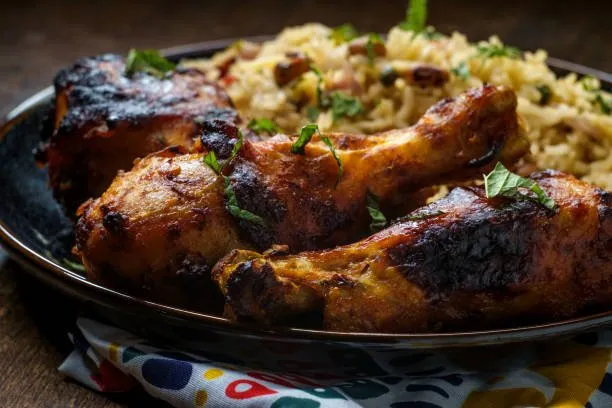
Ofada rice refers to locally made rice. Before the Buhari-led administration banned the importation of rice, most Nigerians preferred to enjoy imported rice or, in typical Nigerian words, “foreign rice.”
While Nigerian-made rice has slowly earned its place back in the market and in the hearts of Nigerians, Ofada rice continues to soothe hearts and, quite honestly, has never lost the place it has held for centuries.
Ofada rice is a traditional local style jollof rice, made with a lineup of local herbs and spices—specifically palm oil and Okpehe (iru). It is more often than not served in banana leaves for that extra local feel.
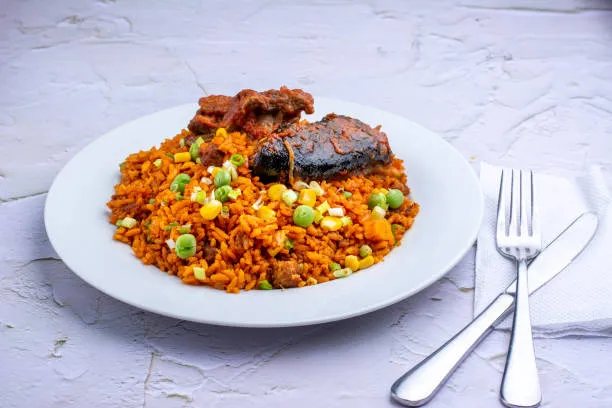
With more than a few rice mills scattered around Nigeria and the fierce competition among rice producers, ofada rice has become a household staple.
We are sharing an authentic way of enjoying our Nigerian rice. Do more than Nigerian fried rice and Nigerian Jollof; enjoy ofada rice in the most Nigerian way.
Read On: All You Need to Know About Duke Dennis
Try Palm oil rice (Iwuk Edesi)!!!
Palm oil rice or okpehe rice is a traditional Nigerian jollof rice made with local condiments like Ofada rice, palm oil, okpehe, and smoked/dry fish. Okpehe rice is a traditional Nigerian jollof rice made with a mix of local condiments to give a unique taste. Some of the major ingredients in Okpehe rice are palm oil and, of course, Okpehe.
Palm oil rice is perfect for the days when you have less than enough ingredients to make the more popular Nigerian Jollof rice.
Some might suggest that they made it, especially for the ajepako. This local rice is just as palatable as typical Nigerian Jollof. This dish deserves to be in a league of its own.
Nigerian okpehe rice/palm oil rice has palm oil as its base with ground pepper puree. A combination of original ofada rice, palm oil, and dry fish gives this meal its unique local flavour that most people enjoy.
If you are not a fan of the local spices made by my locust bean, palm rice can be made without it. Although adding any of them would give your dish an authentic local flavour, you can not afford to miss them.
I believe the flexibility of the ingredients you can and cannot add to this dish makes it very affordable. Adding tomatoes to this dish is also optional. I prefer to prepare my palm oil rice with pure okpehe, but you can substitute it with Ogiri, Iru, or Dawa Dawa.
This dish is also affordable because you can substitute beef for ice fish, smoked fish, or crayfish. Whichever is available or whatever option you choose, you will have a very palatable dish.
- 3 Cups Rice (I prefer typical ofada). If you choose to use ofada rice, clean it before and after parboiling the rice.
- 1/4 cup of Palm oil
- Okpehe, Ogiri/Dawa-dawa or Iru
- Medium-sized smoked fish
- Ground Crayfish to taste
- Medium-sized Onion to taste
- Ground fresh pepper (Tarugu, Miango pepper, Tatashey, or shongbo) to taste and based on preference
- Little or no tomatoes
- Seasoning cubes
- Salt to taste
- A handful of chopped Curry leaves
How to make okpehe rice (Iwuk Edesi)
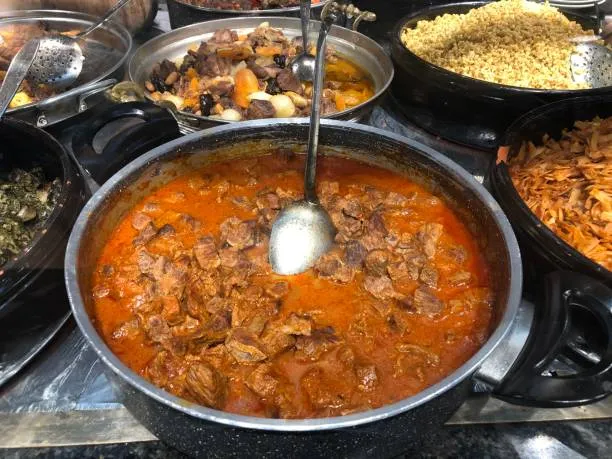
- To make a meal like palm oil rice, I prefer to begin by cleaning and then parboiling the ofada rice.
- While the rice is boiling, you can then concentrate on grinding and preparing other elements.
- Pound the crayfish with your okpehe if you have a mortar and washed, smoked fish.
- Wash and blend pepper (tatache, tarugu and Miango pepper). Your choice of pepper should be based on your tolerance and preference.
- Wash and slice the onions and set aside as well.
- To prepare the smoked fish, wash it gently in warm salty water, split it in half, remove the bones and gut, rinse and set aside.
- Check if your rice is half-cooked. If it is, proceed to the next step. Otherwise, allow the rice to cook until it’s half-cooked.
- Rinse and drain the excess water in a sieve and set aside. Look out for stones while washing your ofada rice. After boiling, they usually settle at the bottom of the pot.
- Heat palm oil without bleaching it.
- Add the chopped onions and leave to fry for about 2 minutes.
- Add tomatoes and allow to fry for about 4 minutes. If you are preparing without tomatoes, proceed to the next step.
- Add the pepper puree into the oil and stir-fry just like you would fry the tomatoes in jollof rice.
- I like to fry some ingredients like the crayfish, okpehe, and season with my pepper.
- Once it’s fried, add about two cups of water and allow it to boil.
- Add the dry or smoked finish to the spicy broth.
- Add salt and crushed seasoning cubes to taste.
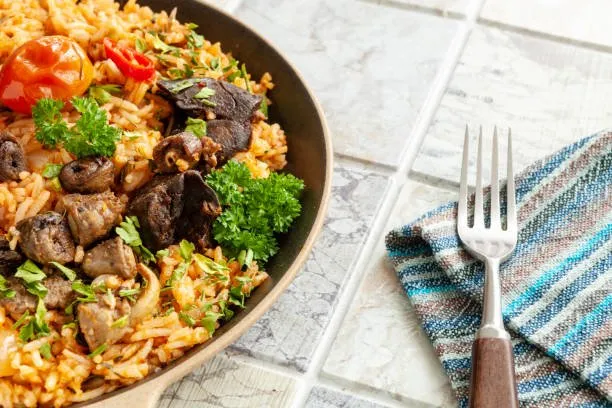
- Throw in the okpehe, crayfish, and other ingredients you prepared earlier into the broth
- Allow simmering for about three minutes.
- I like to pour my broth into a bowl before I add my washed rice into the pot. This allows me to pour the broth on top of my rice. Doing it like this also prevents the condiments from being under the pot. It also makes constant stirring unnecessary.
- You can sprinkle a few condiments on top of the rice. I like to sprinkle onions, curry leaves, salt, and seasoning.
- If you like your palm oil rice with scent leaves, you can also sprinkle it on top of the rice.
- Avoid stirring the rice once you mix the broth and the rice. It causes the rice to burn before it is ready.
- Leave to cook covered till the broth in the pot gets dry.

Mariam Emily Adama is a copywriter, SEO strategist, and digital marketer passionate about using words to inform, inspire, and influence. With over seven years of experience writing for global brands and managing digital campaigns, she brings a data-driven yet creative approach to content creation. When she’s not writing or analyzing trends, Mariam enjoys exploring new cultures, reading, and documenting stories that celebrate African excellence.